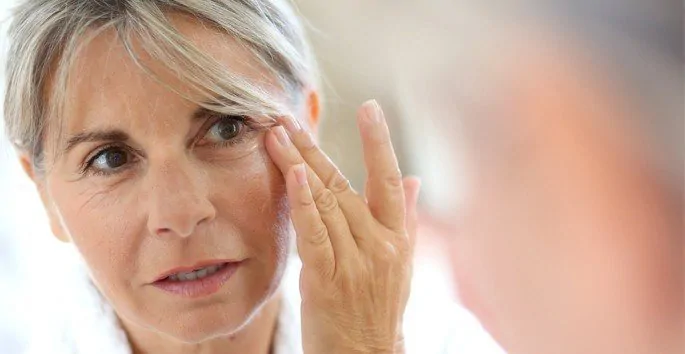
Laser skin resurfacing tightens the skin by reducing fine lines and wrinkles. Other uses include correcting sun-damaged skin, brown spots, acne scars and improving tone and texture. The procedure can be performed in the office or combined with other surgical procedures such as a facelift or eyelid surgery.
CO2 lasers are considered the gold standard for skin resurfacing. Fractionated CO2 technology differs from original CO2 lasers by delivering the same dramatic results with less recovery and downtime. At Tarola Plastic Surgery, we provide laser skin resurfacing to patients across Murfreesboro, TN, and the surrounding areas. Dr. Tarola performs each treatment personally in a private office setting, adjusting everything to match your situation and schedule.
What Is Laser Resurfacing?
Laser skin resurfacing is a nonsurgical treatment that uses light energy from a laser device to remove outer layers of skin or heat the layers beneath. As the treated skin heals, it is replaced by smoother, new skin that has an even color and tone. The heat from the laser also encourages your body to produce fresh collagen, which it does in the weeks and months after your treatment. The depth and intensity of the treatment can be adjusted to treat everything from superficial fine lines to deeper signs of aging.
Tarola Plastic Surgery offers the ultimate skin resurfacing device with the Cortex Laser. The Cortex combines the two best lasers for resurfacing, CO2 and Er:YAG, and allows Dr. Tarola to tailor each patient’s treatment to their individual needs. For deeper lines or wrinkles, Dr. Tarola may recommend a more intensive treatment or more than one treatment. If you desire correction of fine lines or more superficial sun-damaged skin, a less extensive treatment can provide impressive results with less downtime.
How CO2 and Er:YAG Lasers Work
Both CO2 and Er:YAG lasers target water in the skin, but they work at different depths. CO2 laser wavelengths penetrate deeper and offer more skin-tightening effects. They are often chosen for wrinkles and laxity. Er:YAG lasers are absorbed closer to the surface and remove thin layers with little surrounding heat, so they can refine texture with a gentler effect on nearby tissue.
Fractionated lasers treat the skin in little columns and leave untouched skin between each one to speed up healing and shorten the time you have to deal with aftereffects like pinkness. The device we use, the Cortex, pairs both wavelengths together so Dr. Tarola can use each for treating deep lines or polishing the surface, all within a single visit.
About Ablative vs. Non-Ablative Laser Resurfacing
There are two basic types of lasers you may encounter when researching laser skin resurfacing: ablative and nonablative. Ablative lasers remove the outer layers of skin and are often used for more advanced lines and acne scars. They produce more noticeable results in fewer sessions, but do involve more peeling and a longer recovery afterward.
Nonablative lasers only heat the skin without removing any of it. They work mainly through collagen stimulation, and, depending on the wavelength, target specific brown or red colorations in the skin. The Cortex is an ablative system, so it can correct more advanced concerns in one or two treatments.
What Laser Skin Resurfacing Treats
Fine Lines and Wrinkles
Fine lines are often seen first around the eyes and mouth and on the forehead, where the skin is exposed to UV light over the years, and collagen has broken down faster. Lasers build new collagen in these areas and make fine lines less noticeable.
Sun Damage and Brown Spots
Lasers can also address hyperpigmentation, often from sun damage. These devices remove pigmented surface cells from areas like the neck, face, chest and hands.
Acne Scars and Uneven Texture
Acne scars and large pores make the surface of the skin look more uneven. Resurfacing removes damaged tissue and prompts collagen to fill scarred areas, and it tightens the skin around large, noticeable pores.
What Are the Benefits of Laser Skin Resurfacing?
Laser skin resurfacing with the Cortex offers several advantages over other treatments, including:
- Stimulation of New Collagen: The treatment works deep within the skin to prompt natural body processes and help the body produce more of the important proteins that keep it firm and elastic.
- Improves Tones and Texture: The Cortex can treat both tone and texture in one treatment, refining the surface for an overall more youthful and healthy look.
- Customizable Intensity: Each patient is different, and Dr. Tarola can adjust the depth and intensity for each person and each zone of the skin, with everything from a light refresh to deeper correction possible.
- Long-Lasting Results: New collagen and renewed cells offer changes that last for many months, especially if you protect your skin from the sun and care for it properly.
Am I a Good Candidate for Laser Resurfacing?
Good candidates for this treatment are adults who are bothered by lines, acne scars or sun damage and are in good overall health. If you are pregnant or have an active skin infection where we are planning to treat, we may have you postpone the treatment. Patients with lighter skin tones, between Fitzpatrick skin types I-III, are typically best for this treatment. Dr. Tarola will spend time looking at your skin and getting to know your concerns so he can either recommend this laser or point you towards something that is more suitable for your skin type or complaints.
How to Prepare for Your Laser Resurfacing Treatments
You will receive a written skin care protocol to follow before your treatment, and you will enjoy the best results when you follow it closely. Typically, this includes stopping the use of retinoids or strong active products that can make the skin more sensitive to the laser. It is always important to avoid sun exposure and tanning before any light or laser treatment, which can raise the risk of pigment problems. Do not wax or use hair removal creams on the area before your appointment, and let your doctor know if you have a history of cold sores.
The Laser Resurfacing Procedure
Your laser skin resurfacing procedure creates precise pulses of heat energy that penetrate deep into your skin to stimulate new collagen production. In the office setting, resurfacing can be performed with topical numbing cream and/or light sedation, depending on what you are most comfortable with.
Everyone has a different tolerance for discomfort during laser treatments. The process can feel warm, with sharp snaps against the skin from the laser energy. You will be wearing eye protection, and you can let us know if you become too uncomfortable during the process.
Recovery After Laser Skin Resurfacing
Recovery after laser resurfacing varies with the intensity of the treatment. Discomfort is typically minimal, but you may have a burning sensation that lasts for two days. Immediately following the treatment, a healing ointment will be applied to the affected skin. You will continue to cleanse your skin and apply moisturizing ointment several times a day to help the skin heal. Peeling usually begins several days after the procedure and may persist up to 10 days.
Most patients may return to normal activities in a week and begin wearing makeup in 10 to 14 days. Pinkness or redness of the skin may last for 3-6 months, but is usually easily covered with makeup. Sun avoidance is recommended for 3-6 months or while the skin is still pink. During this time, a sunblock with SPF of 30 or more should be used at all times. Patients who strictly adhere to the recommended skin care protocol tend to see better results.
Recovery Steps
- Sleep With Your Head Elevated: Propping up on an extra pillow for the first few nights reduces swelling and helps you rest more comfortably.
- Use Cool Compresses: Gently applying a clean cool compress eases the warm, tight feeling without disturbing the healing surface.
- Leave Peeling Skin Alone: Let flaking skin shed on its own, since picking or scrubbing it off can cause scarring and uneven color.
- Skip Sweating and Strenuous Exercise: Hold off on workouts, hot showers and saunas for the first several days, because sweat and heat can irritate raw skin.
- Wait on Active Skin Care: Keep retinoids, acids and scrubs out of your routine until Dr. Tarola clears you to restart them.
Your Laser Resurfacing Results
Some change will be visible once the initial redness fades, but the bigger improvements will be seen over the following months as new collagen forms. During this time, you will notice your skin start to look and feel firmer, dark spots will fade, the texture will feel smoother and scars will be less noticeable. While results are long-lasting, the skin will continue to age. You can consider maintenance sessions or other anti-aging treatments to keep your skin tight and firm.
Combining Laser Resurfacing With Other Procedures
Tarola Plastic Surgery is a full surgical and aesthetic practice, so laser resurfacing can be paired with other treatments. Dr. Tarola may recommend it alongside a facelift or eyelift surgery to help improve the surface and tone of skin following surgery. It can also pair well with other non-surgical options like injections or PRP, but you will need to have a consultation to determine the right timing for these treatments and whether you may benefit from a combination.
Laser Skin Resurfacing Cost in Murfreesboro
The cost of laser resurfacing depends on the size of the area, the depth of the treatment and how many sessions your skin needs. Every plan is built around the individual patient, so Dr. Tarola will need to provide you with a more detailed quote at your consultation. Resurfacing for cosmetic reasons is not covered by insurance. We will review your payment and financing options with you before the treatment so you can plan ahead.
Safety and Risks of Laser Resurfacing
Laser resurfacing has a good safety record when performed by an experienced physician, and Dr. Tarola personally carries out each treatment. Temporary effects are normal, such as redness and peeling, and the skin may feel a little swollen and warm as the skin heals.
Less common risks can include changes in skin color and prolonged redness or scarring, which are more common in patients with darker skin tones. To help reduce side effects, be sure to carefully follow your skin care protocol after the treatment and protect your skin from the sun. Always choose a qualified provider with years of experience in using laser technology.
Why Choose Tarola Plastic Surgery?
Dr. Tarola is a plastic surgeon who has been in practice performing surgical and nonsurgical treatments for many years and has a unique passion for listening to his patients and providing them with the services and results they are looking for. He has had extensive training in reconstructive surgery and has a mission to provide the highest quality services in Murfreesboro. He is committed to offering the best technology and techniques, staying ahead of recent research and developments.
Laser Skin Resurfacing FAQs
What areas can we treat with laser resurfacing?
Resurfacing is often used on facial areas such as the cheeks, forehead and the delicate skin around the eyes and mouth. It can also be used to improve sun-damaged skin on the neck, chest, back of the hands and other areas.
How many laser treatments will I need?
Often, patients can reach their skincare goals in just a single session, especially with a deeper treatment. Lighter treatments and stubborn concerns like deep wrinkles or scars may call for more than one treatment. In this case, you may need to have several months in between treatments to allow for healing and collagen production.
When can I wear makeup again after laser resurfacing?
You can wear makeup after the initial healing process has taken place, usually between 10 and 14 days. Before this time, you will want to keep heavy products away from the skin, as well as any strong or irritating ingredients. Use only light and gentle products that have been approved by Dr. Tarola for use on post-treatment skin.
How does laser resurfacing compare to other types of treatments?
Other types of devices can be used for skin resurfacing, including nonablative lasers, Broadband Light (BBL) technology and microneedling. CO2 laser resurfacing tends to be one of the stronger options because of how much damaged skin it can remove.
Nonablative lasers like MOXI® heat the skin and are often used for “prejuvenation”, or preventing signs of aging. Sciton’s BBL HERO technology can treat pigmentation concerns such as rosacea, sun spots, freckles and cherry angiomas. Microneedling stimulates collagen through the use of tiny needles that create microchannels in the skin rather than removing the surface. Each is suitable for different situations, and the best way to find out what is right for you is by scheduling a consultation.
Click Here for Before & After Photos
Schedule Your Laser Skin Resurfacing Consultation
Schedule a consultation with Dr. Tarola at Tarola Plastic Surgery in Murfreesboro, TN, to find out whether laser resurfacing fits your skin and goals. You will receive a skin assessment and a treatment plan with clear pricing and recovery expectations. Call 615-713-1695 or use our contact page to book your visit. You can read more about Dr. Tarola on our about page or browse treatments on our website.