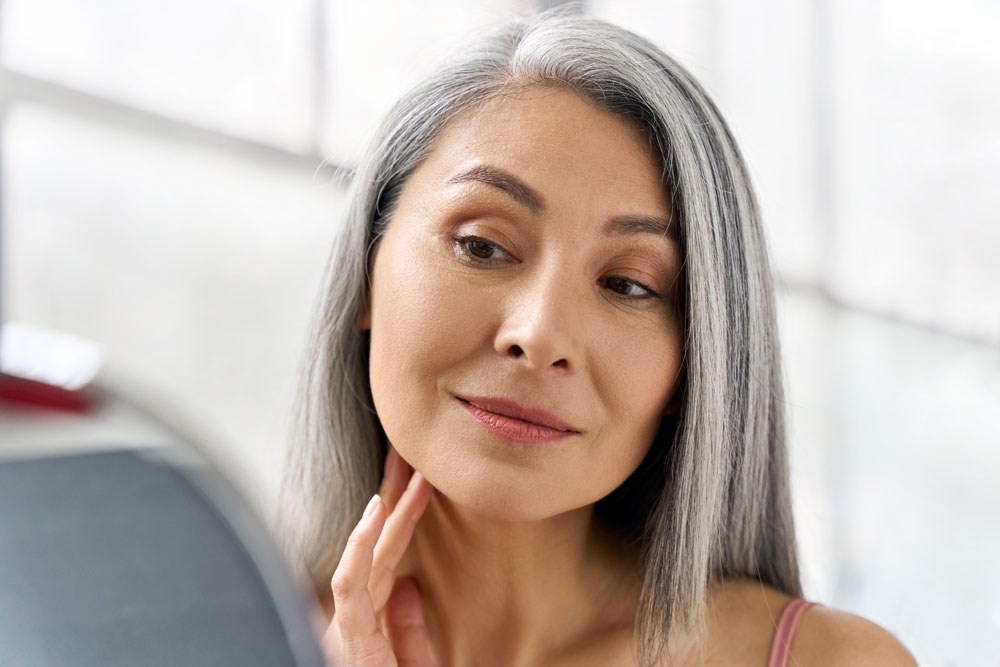
As you age, the face gradually loses the fat that keeps it looking full and youthful. Fat grafting is one way to transfer fat back into the face and give it youthful volume and a healthy glow. At Tarola Plastic Surgery, we provide face fat transfer surgery in Murfreesboro, TN. It is a long-lasting option for patients who want more volume without synthetic substances.
What Is Fat Grafting?
Fat grafting is also known as autologous fat transplantation or micro-lipoinjection. During facial fat grafting, fat cells are extracted from your abdomen, thighs, buttocks or elsewhere and reinjected beneath the facial skin. Fat can fill in sunken cheeks or lines between the nose and mouth, correct skin depressions, minimize forehead wrinkles or enhance the lips.
Allergic reaction is not a factor for fat because the filler is harvested from your own body. However, there is still a small risk of infection and other infrequent complications.
Why Does Facial Fat Loss Occur?
The face contains small pockets of fat called fat pads that sit underneath the skin and give it its structure and shape. These can decrease because blood flow decreases with age, and fat pads receive fewer nutrients to sustain their volume. Other factors like sun exposure, genetics and weight loss can speed up this process. Even the fat pads that are still there can shift downward because of gravity and a loss of collagen and elastin in the skin. After some time, areas like the cheeks and temples in particular can start to look more hollow, and the skin can start to sag or droop.
How Is Fat Grafting Different From Synthetic Fillers?
Autologous Materials
Autologous simply means a material that comes from your body rather than external, synthetic sources. Your body is much less likely to react to or reject autologous materials. Synthetic materials also break down after some time, but fat cells can establish a blood supply and last for years in the area.
Provides Contouring for Other Areas
One benefit of fat grafting is that it requires liposuction of other areas to harvest the fat. The donor site, whether your abdomen, thighs or flanks, gets the added benefit of contouring and shaping from the liposuction.
Restores a Healthy Glow to the Skin
Harvested fat contains stem cells and growth factors that improve the skin quality in the treated area, in addition to giving it volume. The areas where fat has been placed often look smoother and more vibrant.
Common Aesthetic Concerns That Can Be Addressed With Fat Grafting
Midface Volume Loss
The midface area, which includes the cheeks and the region below the eyes, may be one of the first places to start showing signs of aging. Deep fat pads shrink and shift in this area, and the cheeks can start to lose their round shape. If the area has started to look tired or drawn, fat grafting can rebuild projection and bring fullness to the cheeks.
Nasolabial Folds
Nasolabial folds happen when volume is lost around the mouth, paired with the repetitive motion of smiling. Most people have some lines in this area from the nose to the mouth, but they can deepen with age. During a fat transfer to the face, fat is placed in and around this crease to support the tissue above it.
Marionette Lines or Lower Face Hollowness
Fat grafting can also be helpful for rejuvenating the area below the mouth. Marionette lines, which go from the mouth towards the chin, form with gravity and the effects of reduced collagen and fat. The muscles around the mouth also contribute to these lines, with years of repetitive movement making them deeper.
Temples
While injections often focus on the cheek area, temples are equally important for creating balance in the face and making it look more youthful. There are temporal fat pads that sit behind the outer edge of the eyebrow, and as they shrink, the bone structure becomes more visible underneath. The loss of fat can also affect the position of the brow. Placing fat in the temples restores a more youthful shape to the face.
Lip Volume
Fat grafting in the lips can be helpful when aging has caused volume loss and made the lips look more lined and less plump. In addition to providing volume for the lips, fat grafting can also make the tissue look healthier and more hydrated. The grafted fat also looks and feels like natural lip tissue, moving naturally as you talk and smile.
Who Is a Good Candidate for Fat Grafting?
Non-Smoker
Nicotine constricts blood vessels, which reduces the oxygen and nutrients that newly placed fat cells need to survive and thrive. Without enough blood flow, these fat cells will struggle to establish a blood supply. Those who smoke will have a higher rate of fat reabsorption, where the body breaks down the transferred fat. We ask that, if you do smoke, you stop well ahead of your procedure and stay smoke-free throughout the healing process.
Stable Weight
Once a transferred cell is established, it responds to weight changes just like the other fat cells in your body. If you gain or lose weight after fat grafting, these cells can expand or shrink. We recommend being at a stable weight before coming in and then keeping this weight stable after the procedure.
No Active Infection or Skin Irritation
Any active infection or irritation in the donor or treatment area can increase the risk of complications. Bacteria from an existing skin infection could spread to other tissues during fat harvesting or injection, especially since tissue that is inflamed from surgical procedures is more compromised.
Understanding the Healing Timeline
Fat grafting involves recovery both in the area where the fat was removed and in the area where it was placed. Swelling in both areas can take a few weeks to fully resolve, and your final results won’t be visible until the transferred fat has had time to settle and your body has finished reabsorbing the portion it won’t retain. This reabsorption is expected and accounted for during the procedure.
When Another Treatment May Be Better
Fat grafting is not always the right fit. Sometimes, if only a little volume is desired in one area, dermal fillers can be a quicker and less involved option and can still provide long-lasting results. The downtime is also easier for fillers.
Some patients also don’t have enough excess fat in the body to transfer to the face through a harvesting process and will be better candidates for other treatments to help restore volume.
If your primary concern is skin laxity instead of volume loss, a facelift or skin tightening treatments may be a better choice. Fat grafting cannot tighten or remove loose tissue. For some patients, combining treatments or choosing other treatments may serve them better.
Where Is the Donor Fat Taken From?
The donor site will depend on your body type and where you carry excess fat, but the most frequently used areas include:
- Abdomen
- Thighs
- Flanks
- Buttocks
- Hips
- Under the chin
- Upper arms
- Back and inner knees
Your Consultation and Treatment Planning
We start by taking a close look at your facial structure and talking about all of the areas that have lost volume and how much fat might be needed to restore it. We also assess all of the potential donor sites on your body to determine where the best fat can be harvested, taking into account any body contouring goals you may have.
We map out a unique treatment plan for you based on your features and goals, and make sure you are a good candidate with a comprehensive discussion about your medical history. If you are taking any medications or supplements that thin the blood, we can talk about whether it is safe and recommended to pause these until after your procedure.
How Much Fat Will Survive?
On average, you can expect around 50 to 70 percent of the transferred fat cells that we place to establish a blood supply and remain long-term. We will slightly overfill the treated area during the procedure to account for this, so the results that you see right after the treatment are not a good representation of how the area will look after a few weeks and months. At around three to six months, the fat cells that are still there will remain.
How to Prepare for Fat Grafting
You will need to have someone drive you home after your fat grafting procedure, so make sure to arrange this ahead of time. In the weeks leading up to your appointment, avoid excessive sun exposure and avoid harsh skincare products with strong active ingredients. You can also set up a recovery area in your home beforehand, with extra pillows, medications, entertainment and other supplies that you might need close by. Come to the office in loose and comfortable clothing that can be easily taken off and put back on. Plan to take at least a few days off from work so you can focus on healing.
What to Expect During Your Procedure
Both the donor and recipient sites are numbed with local anesthesia. Sedation can be used as well. If you elect to use sedation, be sure to arrange for a ride home after your treatment.
After cleansing and treatment with local anesthesia, fat is withdrawn using a syringe with a large-bore needle or a liposuction cannula. The fat is then prepared and injected into the recipient site with a needle.
Sometimes an adhesive bandage is applied over the injection site. Slight overfilling may be necessary to allow for fat absorption that occurs. When fat is used to augment the cheeks, this overcorrection may cause the face to appear abnormally full.
After Fat Grafting
While some treatments require a brief recovery period, many patients resume normal activity right away. Expect some swelling, bruising or redness in both the donor and recipient sites. The severity of these symptoms depends upon the size and location of the treated area.
Stay out of the sun until redness and bruising subsides, usually about 48 hours. In the meantime, you may use makeup with sunblock protection to help conceal your condition. In some cases, swelling and puffiness in the recipient site lasts several weeks, especially if a large area was filled.
Normal Healing Timeline
Swelling and bruising are most noticeable during the first few days after a facial fat graft. The donor site may feel sore and tender, similar to the sensation you might have after a deep tissue workout. Most patients feel comfortable returning to work and other activities within a week, but we do recommend avoiding heavy activity and exercise for around three weeks.
Donor Site vs Recipient Site Recovery
The treated facial area and donor site heal at different rates and in different ways. The donor site will have a longer recovery process because of the small entry points and manual extraction of excess fat. You may need to wear a compression garment in the area where the fat was extracted to help it settle into a new contour.
Facial fat injections are a little less involved than the liposuction process, but swelling is still common in this area. You will want to avoid putting any pressure on the facial area, including sleeping on your side or tummy, until the fat has time to stabilize.
Frequently Asked Questions About Fat Grafting
How long does the procedure take?
Most fat grafting procedures take between one and three hours, depending on how many areas are being treated and how much fat is needed. The majority of that time is spent carefully processing the harvested fat and placing it in small, precise amounts to promote the best possible survival rate.
How much downtime should I plan for?
Plan for about seven to ten days before returning to work and normal activities. Fat grafting recovery involves managing swelling and bruising in both the donor and facial areas, so giving yourself a full week at minimum will make the process more comfortable.
Can fat grafting be combined with other facial treatments?
Patients sometimes pair fat grafting with a facelift to address both volume loss and skin laxity at the same time. It can also be combined with eyelid surgery or skin resurfacing treatments. We discuss all of these options during your consultation.
How long do the results last?
While some patients report results lasting 1 year or more, the majority of patients find that at least half of the injected fullness disappears within 3-6 months. Therefore, repeated injections may be necessary. Your doctor will advise you on how to maintain your results with repeat treatments.
Why Patients Choose Dr. Tarola for Fat Grafting
Dr. Nicholas Tarola is a board-certified plastic surgeon with training in both cosmetic and reconstructive surgery from Vanderbilt University Medical Center. His background in reconstructive techniques gives him a deep understanding of facial anatomy and how fat behaves beneath the skin, which is directly applied to his fat grafting procedures. He takes the time to sit with each patient, understand their concerns and build a treatment plan around their specific anatomy and goals. At Tarola Plastic Surgery in Murfreesboro, we focus on natural-looking results that complement your existing features.
Schedule a Fat Grafting Consultation
Face fat transfer can restore volume that has been lost over time using your body’s own tissue, with results that can last for years. If you’re looking to address hollow cheeks, thinning temples or deepening facial lines, fat grafting offers a natural and long-lasting solution. Call Tarola Plastic Surgery at 615-624-8914 or fill out our online form to schedule your consultation at our Murfreesboro, TN office.