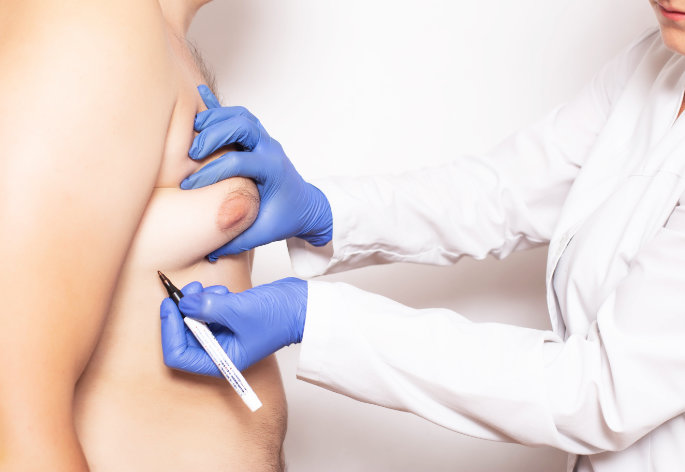
Gynecomastia, or the enlarged or swollen breast tissue of men, can affect males at all stages of life and can lead to embarrassment and avoidance of situations where your chest may be exposed. If you are experiencing this cosmetic condition, you are not alone, and at Tarola Plastic Surgery, we can help restore your masculine contours for a flatter, more natural-looking chest.
Serving the Murfreesboro and Hendersonville areas in Tennessee, Tarola Plastic Surgery is led by board-certified plastic surgeon Dr. Nicholas Tarola. Contact us today to schedule a consultation and find out how male breast reduction surgery can improve your natural body contours and help restore your self-confidence.
What Causes Gynecomastia?
Gynecomastia can affect either one or both breasts, and while it is not necessarily a cause for medical concern, some men may experience pain or tenderness in their breasts. Gynecomastia can be caused by multiple factors, including:
- Hormonal imbalances or changes
- Certain prescription medications
- Recreational drug use
- Excessive alcohol consumption
- Certain medical conditions
If you are experiencing pain, swelling, tenderness or enlargement of your breast gland tissue and desire an improved aesthetic, Dr. Tarola and our medical team will listen to your concerns and discuss your treatment options with you.
What is Male Breast Reduction?
This safe and effective procedure removes excess fat and/or tissues in the male breasts to restore flatter, more masculine contours in the upper chest. Individual cases of gynecomastia may vary, with the condition being caused by excess fat, too much breast gland tissue, or both. Dr. Tarola will assess your individual condition to determine which techniques will create the best results for you.
The extent of your procedure will depend on the patient. There are a variety of incisions and surgical options depending on the level of correction required, and you will know what to expect prior to your surgery. Incisions will be carefully placed in order to make post-surgical scarring as discreet as possible.
What Can Male Breast Reduction Treat?
Excess Fat
Stubborn fat deposits in the chest can create a cone-like shape that makes the upper body look uneven or soft. Surgical chest fat removal can make the chest flatter and firmer by removing this fat. Fat reduction can also help make the muscular structure of the chest more visible and give the chest more shape.
Excess Glandular Tissue
Some men experience breast fullness caused by firm glandular tissue rather than fat. This condition may be linked to hormonal changes, weight fluctuations or certain medications, and does not respond to exercise or diet. During a male breast reduction, we can remove this excess glandular tissue directly to give the area symmetry and definition.
Excess Skin
Loose or stretched skin can remain after weight loss or previous chest fat reduction, and this can cause sagging or folds around the pectoral area. Our surgery can tighten and remove the extra skin.
What Techniques Are Used During Gynecomastia Surgery?
Liposuction
Liposuction is used when excess fat is contributing to chest fullness. Small incisions allow for the insertion of a thin cannula that breaks apart and removes unwanted fat. The technique can refine chest contours while preserving the surrounding tissue and muscle definition. It is particularly helpful for men who have softer, fatty gynecomastia rather than firm glandular tissue.
Excision
Excision focuses on removing firm glandular tissue that liposuction cannot address. We make incisions around the areola or along natural chest creases to access and remove the excess tissue. Excision can also reposition the nipple-areolar complex for men who want to reduce the size of the areola. We will also use excision techniques to remove excess skin from the chest area.
Combined Surgeries
Some men benefit from a combination of liposuction and excision. We will remove fat deposits with liposuction, then address glandular tissue and loose skin through excision. Combining techniques allows for comprehensive correction of gynecomastia regardless of its cause.
The Benefits of Male Breast Reduction Surgery
Potentially Permanent Results
Male breast reduction can give you long-lasting improvements when paired with stable weight and a consistent lifestyle. Once excess fat, glandular tissue or loose skin is removed, the chest typically maintains its flatter shape. While gynecomastia can return after surgery for some individuals, for most, this is a long-lasting surgery.
Improved Muscular Definition
Removing excess tissue allows the natural contours of the pectoral muscles to become more visible. The chest can look firmer and more athletic when tissue is not hiding the muscles that you have worked hard to build. Surgical refinement can help balance your chest with the rest of your body, especially if you are already in good condition.
Comfort and Posture Benefits
Excess breast tissue can create physical discomfort, particularly during exercise or while wearing fitted shirts. Male breast reduction can relieve heaviness in the chest and allow for easier movement and better posture. A lighter chest can reduce strain on the upper back and shoulders and make daily activities more comfortable. The improvement in mobility can make physical exercise more enjoyable and sustainable.
Male Breast Reduction vs. Non-Surgical Treatments
Non-surgical options such as fat-freezing or radiofrequency treatments can reduce small amounts of chest fat but cannot remove firm glandular tissue or excess skin. Surgical male breast reduction offers a more direct and lasting approach by treating all three causes of gynecomastia in one procedure. We offer both surgical and non-surgical options and will spend time with you to find which type is right for your situation.
Who Is a Good Candidate for Male Breast Reduction?
A good candidate for male breast reduction is someone who is in good health and looking to achieve a flatter, more proportionate chest. You may be a candidate if you:
- Experience physical or emotional discomfort due to chest fullness
- Have stable hormone levels and no underlying medical conditions that could affect healing
- Do not smoke or are willing to stop before and after surgery to support recovery
- Maintain a healthy, active lifestyle
- Understand the potential results and are committed to long-term maintenance
What to Expect From Your Consultation and Assessment
We begin your consultation with a discussion about your goals and concerns. You will have the opportunity to explain what you would like to change and ask any questions about the procedure. We examine your chest to determine the type and extent of correction that may be indicated, then review surgical options that best match your anatomy and desired results. The consultation also covers what to expect before, during and after surgery so you can make an informed decision.
Preparing for Your Surgery
Preparing for male breast reduction involves following specific instructions that help support a smooth experience and recovery. We may ask you to avoid certain medications or supplements that can increase bleeding risk, and to arrange for someone to drive you home afterward. You’ll receive clear pre-surgery guidelines about eating, drinking and hygiene on the day of your procedure. If you smoke, quit smoking or avoid smoking for at least two weeks before and after your surgery to help with healing.
Gynecomastia Surgery: Step-by-Step
- Anesthesia: We begin by administering anesthesia to keep you comfortable throughout the procedure. This may be either local or general anesthesia, depending on the scope of your surgery.
- Placement of Incisions: We make small, discreet incisions. Incisions are typically around the areola or in the natural chest fold for excision techniques. We use small incisions for liposuction that are hidden and often not noticeable after surgery.
- Fat Removal: A thin cannula is inserted through the liposuction incisions to loosen and remove unwanted fat.
- Gland Removal: We remove firm glandular tissue through the incisions until the desired chest shape is achieved.
- Skin Tightening: When excess skin is present, we carefully trim and reposition it to create a firm, natural look.
- Closure and Dressing: We close the incisions with fine sutures and apply dressings or compression garments to protect the area. These coverings help control swelling and support healing in the early stages.
- Duration: Gynecomastia surgery usually takes one to two hours, depending on the complexity of your case. You will spend a short time in recovery before heading home the same day with detailed aftercare instructions.
What is the Recovery Like?
Recovery can be different for every patient, and a short period of swelling, bruising and mild discomfort is common but can be easily controlled with medications prescribed to you by Dr. Tarola. Our medical team will monitor your healing and progress and let you know when you can safely return to normal activities in order to help you achieve the best results possible. We will also discuss all relevant safety information, as well as any aftercare that may be necessary, in order to prevent infection and complications.
Common Aftercare Instructions and Healing Timelines for Gynecomastia Surgery
To prepare you for your gynecomastia recovery, we will fit you into a compression garment and guide you on how long to wear it so your chest stays supported and swelling remains controlled. You will start light walking shortly after your surgery to boost circulation, then gradually return to exercise once we clear you. We will have you sleep on your back with your chest slightly elevated to help manage swelling during the early weeks. Make sure to come to all of your scheduled visits so we can check in, answer questions and confirm the right time to resume higher-intensity activities.
Maintaining Your Results After Male Breast Reduction
Maintaining your results relies on consistent lifestyle habits and awareness of long-term health. The best way to keep your chest firm and flat is to keep your weight stable, eat nutritious foods and focus on your overall health. You can include regular strength exercises as well as cardiovascular training to support your overall physique and prevent new fat from accumulating. Avoid smoking and limit your alcohol intake to keep your body and your skin healthy.
Frequently Asked Questions About Male Breast Reduction
Can Exercise or Diet Fix Gynecomastia?
Exercise and a healthy diet can help reduce overall body fat, but they cannot eliminate firm glandular tissue or excess skin. True gynecomastia develops when breast glands enlarge, which is not something that can be corrected with fitness alone. Gynecomastia surgery remains the most reliable option for removing glandular tissue and reshaping the chest when lifestyle changes do not produce noticeable improvement.
Will There Be Visible Scars?
Incisions are placed in discreet locations, usually around the edge of the areola or within natural chest creases. Scars fade gradually as your body heals and are often barely noticeable after several months. We provide detailed scar care instructions, including how to protect your incisions from sunlight and how to keep the skin hydrated to support healing.
When Can I Return to the Gym?
You can resume light activity within a few days of surgery, but strenuous workouts must wait until you receive clearance from Dr. Tarola. Most patients return to the gym in about four to six weeks, depending on their healing progress.
Can Gynecomastia Come Back?
Recurrence is uncommon, but gynecomastia can return if weight gain, hormone fluctuations, or certain medications trigger new glandular growth. Maintaining a stable weight and following medical advice helps prevent these changes. Consistent exercise, balanced nutrition and regular checkups support the long-term success of your gynecomastia treatment.
How Much Does Breast Reduction Surgery Cost?
The cost of male breast reduction varies based on the techniques used, the amount of correction needed and surgical complexity. We discuss pricing during your consultation so you understand all factors involved before making a decision. Some health insurance plans may provide partial coverage if your surgery is medically necessary, though cosmetic procedures are typically self-funded.
Are There Any Risks With Male Breast Reduction?
All surgical procedures carry some degree of risk, and we make sure you understand them before moving forward. Common risks include bleeding, infection, temporary numbness, and mild asymmetry, but these are uncommon when following proper care instructions. We take every precaution to support your safety and provide detailed guidance throughout your recovery.
About Your Surgeon
Dr. Nicholas Tarola is a Board-Certified Plastic Surgeon who specializes in cosmetic and reconstructive procedures for the face, breasts and body. After earning his medical degree from Jefferson Medical College in Philadelphia, he completed both his general surgery residency at Thomas Jefferson University and his plastic surgery training at Vanderbilt University Medical Center in Nashville.
Dr. Tarola founded Tarola Plastic Surgery with a mission to combine advanced surgical techniques with compassionate, individualized care. He focuses his practice on breast and body procedures and helps patients restore natural balance and confidence through thoughtful, precise surgery. His commitment to excellence and attention to detail have earned him a reputation for delivering results that show both skill and artistry.
Learn More About Gynecomastia Surgery in Murfreesboro, TN
Our male breast reduction at Tarola Plastic Surgery can create long-lasting improvements in chest shape, firmness and symmetry by addressing fat, glandular tissue and skin in a single procedure. Men seeking chest fat reduction or correction for gynecomastia can regain a more balanced and confident physique with surgical care. Contact us online or at (615) 624-8914 to schedule a consultation in Murfreesboro and find out if you are a candidate for male breast reduction.